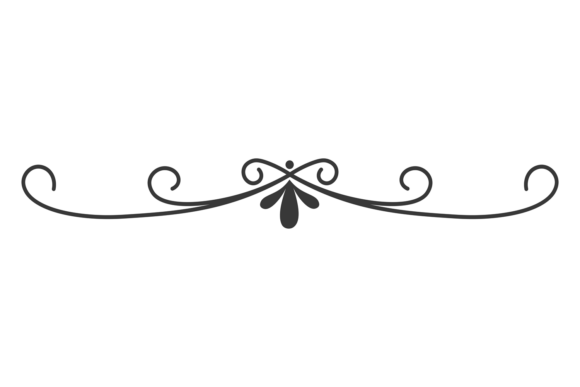
Curly Decorative Divider
A First Impression That Speaks Volumes
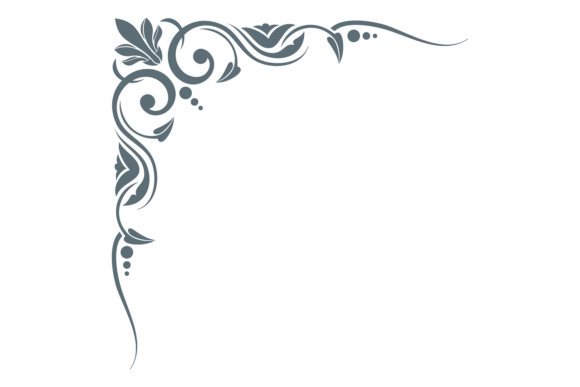
The Curly Decorative Divider immediately draws the eye with its elegant, flowing curves and calligraphic flair. It feels like a stroke of artistic freedom, yet it maintains a clean, isolated layout that suggests versatility. The design is not overly complicated, which is a strong point for someone looking to add a subtle yet impactful element to their embroidery projects.
Visual Personality and Mood
This design carries a soft, sophisticated mood that’s perfect for both personal and commercial use. The calligraphic style gives it a handcrafted feel, making it ideal for handmade products or boutique branding. Its shape is fluid and organic, suggesting it could fit well in a variety of contexts—from a baby item to a holiday gift.
The Curly Decorative Divider has a minimalist approach, which means it doesn’t overwhelm the fabric. This makes it especially appealing for those who want to maintain a clean aesthetic while still adding a decorative touch. The isolated text line also allows for easy placement within a larger design, giving it a lot of flexibility.
Real-Life Use Case: Custom Embroidered Tote Bag
Let’s imagine I’m preparing a custom embroidered tote bag for a client. The Curly Decorative Divider would be an excellent choice as a separator between different sections of text or as a standalone accent. It adds visual interest without being too busy.
I’d consider placing it near the top or bottom of the design, where it can act as a divider or a decorative border. Its calligraphic nature would complement a more traditional or vintage-themed tote, while its modern curves could work well with contemporary designs.
Performance in Real-World Embroidery Situations
The Curly Decorative Divider performs well in most embroidery scenarios, but there are some considerations to keep in mind. For instance, it might require careful handling when used on small hoop sizes or textured fabrics, as these can affect stitch clarity and overall appearance.
On dark fabrics, the design may need a contrasting thread color to ensure visibility. Testing on scrap fabric is always recommended before committing to a final product. Similarly, stretchy or thin fabrics may need additional stabilizer to prevent puckering or distortion during stitching.
Where to Use with Caution
- Small Hoop Sizes: The Curly Decorative Divider may not render well in very small hoops due to its intricate details.
- Textured Fabrics: While the design is clean, it may not translate perfectly on fabrics with a rough texture.
- Dark Fabric: Consider using light-colored threads for better contrast.
- Layered Garments: Ensure the design is compatible with multi-layered projects to avoid overlapping issues.
- Curved Surfaces: The Curly Decorative Divider works well on curved surfaces like caps or hats, but care must be taken with the placement of detailed corners.
- Tiny Lettering: If the design includes any small text, it may be difficult to see after stitching.
- Dense Stitch Areas: Be mindful of how the design interacts with other elements to maintain clarity and balance.
Impact on Visual Appeal and Product Value
The Curly Decorative Divider contributes positively to the visual appeal of any project it's applied to. Its unique shape and style make it stand out, which can help elevate the perceived value of a handmade product or personalized gift.
From a customer trust perspective, the design’s clean lines and consistent theme suggest professionalism and attention to detail. This is particularly important for Etsy sellers or small shop owners looking to build brand consistency and credibility.
Design Notes for Embroidery Professionals
As an experienced designer, I recommend the following steps before using the Curly Decorative Divider:
- Test on Scrap Fabric: Always test the design on a scrap piece of fabric to ensure it stitches cleanly and looks as expected.
- Check Thread Color Contrast: Ensure the chosen thread color provides sufficient contrast against the fabric background.
- Review Stitch Density: Pay attention to how densely the design stitches, especially in areas with intricate details.
- Confirm Hoop Size: Make sure the design fits comfortably within your hoop size to avoid distortion.
- Inspect Small Details: Look closely at tiny lettering or corners to ensure they remain clear after stitching.
- Test in Black and White Mockups: This helps identify potential issues with contrast and clarity.
- Use Proper Stabilizer: Especially on stretchy or thin fabrics, a good stabilizer is essential for even stitching.
- Consider Commercial Use: Ensure the design is suitable for both personal and commercial projects if you plan to sell finished items.
- Confirm Licensing: Before selling digital products or finished items, verify the licensing terms for the Curly Decorative Divider.
Conclusion
The Curly Decorative Divider is a versatile and elegant design that can enhance a wide range of embroidery projects. Whether you're creating a custom apparel piece, a personalized gift, or a boutique product, this design offers a unique way to add character and style.
By understanding its strengths and limitations, and by testing it thoroughly, you can confidently incorporate the Curly Decorative Divider into your next project—knowing it will look great and serve your creative vision well.